History of the Village of East Nassau
Reason for incorporation
The Village of East Nassau was incorporated in 1998 as a self-governing municipality. The reason for the incorporation was this: the Lane mining company was threatening to level Snake Hill (aka Snake Mountain) for greywacke, a valuable stone for use in construction, fill, and road surfacing. The Town of Nassau did not at the time prohibit such mining, and so, after much research, many meetings, and a public referendum, the Village of East Nassau formed as a separate entity in order to protect its rural character and an important scenic feature of its landscape, and it prohibited commercial mining within its boundaries. Snake Hill is mentioned in the 1897 description of Nassau cited below. The story of the Village formation is told in Snake Mountain Trilogy: A Berkshire Memoir by one of the Village’s founding members, Donald Lloyd.
Historical inhabitants/structure
Historically, a village by the name of East Nassau existed long before it was incorporated as a self-governing municipality.
Some local histories in print form that include the Village of East Nassau are: History of The Seventeen Towns of Rensselaer County by A.J. Weise; A History of the Hamlet of Brainard 1743-1978 by Frances Thomson; The Early History of Nassau Village, 1609-1830 by Paul Huey and Ralph Phillips; Snake Mountain Trilogy: A Berkshire Memoir by Donal Lloyd; and a memoir about growing up in the village called Intrepidations and Funny Business by David Alter. Some of these may be available in a local public library.
The following histories are available online:
- For a history of Nassau, New York, that includes East Nassau, see the following, written in 1897: http://history.rays-place.com/ny/ren-nassau-ny.htm
- A compilation of abstracts from early histories of Nassau, including listings of early settlers, can be found at: http://rensselaer.nygenweb.net/nassau.htm
- For Rensselaer County and the Anti-Rent Wars: http://research.stephentowngenealogy.com/wiki/Anti-Rent_Wars
- For a history of the Stockbridge-Munsee Band of Mohican Indians, members of which lived in this area, go to: www.mohican.com, click on Community and find “Our History”. See also The River Indians: Mohicans Making History by Shirley W. Dunn and many other sources that discuss the presence of the Mohican tribe in this area. For a Mohican history walking tour of Stockbridge, MA, originally known, at its establishment, as Indiantown, see https://housatonicheritage.org/plan-a-visit/native-american-heritage-trail/.
- For accounts of the history of African-Americans in Rensselaer County, some websites are available, including: http://donrittner.com/his21.html (on slavery in Rens. Co.)
- For an account of the settlements of Jewish immigrant farmers in Nassau and Schodack in the early 20th century, there are several websites, one of the best being by the Nassau village historian, Kurt Vincent. This account includes a general overview of the early history of the Nassau region: http://nebula.wsimg.com/80afee35a45118cdcd0b56e335445e2a?AccessKeyId=3150E8AC5058496F1B24&disposition=0&alloworigin=1
Photos
If you have photos from the past, we would love to copy them for our archive. If you are interested in lending photos of village buildings, folks, Central School events, or any other Village-related subject, please contact our Historian, Bill Davis at historian@villageofeastnassau.gov. Note: you may be ready to “declutter” and get rid of those old photos and clippings, but there is a home for them in the Village archive if you no longer wish to be burdened by them. Don’t assume that no one will be interested! We already are.
Current municipal structure
The Village of East Nassau includes the three hamlets of Brainard, East Nassau, and Hoags Corners.
It contains differently zoned areas: hamlet, rural residential, and waterfront. The different zones are governed by different regulations, all of which information can be found in the Land Use Regulations on the Village web site. Questions can be answered by Village officials: department heads, the mayor, or members of the board of trustees, all of whose contact information is also on the Village website home page.
The hamlet of East Nassau is informally divided into two parts approximately half a mile apart: the "upper village", upstream on the Kinderhook Creek, and the "lower village", which is the older part, downstream on the Kinderhook Creek.
Current demographics
The population of the Village is approximately 560, made up of approximately 240 households. Information from Census.gov including the 2020 census data (click here)
Local traditions/events/calendar
Firehouse Breakfasts and Pizza Night
Both of the firehouses (Tsatsawassa Fire and Hoags Corners Fire) within the Village host community breakfasts once a month during nine months of the year. Breakfasts are all-you-can-eat for a modest price. Signs are posted prominently in advance of the breakfasts. In addition, there are occasional pig roasts, and the Hoags Corners Ambulance offers a pizza night once a month, pizzas to be eaten there in the ambulance station or taken home.
Annual Village Cookie Contest
Once a year, on a Sunday in November, a cookie contest open to contestants from anywhere in the area is hosted by a community organization. The first five contests were hosted by the village and has since been taken by various other organizations. The event often includes auctions (chance and live) with donations from local businesses, as well as ice cream sundaes and lots of cookies. A nominal admission is charged.
Annual Community-Wide Yard Sale hosted by the SAC
Once a year, on a Saturday in mid-July, a community yard sale is hosted by the Senior Advocacy Committee on a lawn in the “upper village”. Donations are accepted during the months in advance of the sale, prices are nominal, and food is served for a modest price. Proceeds benefit the Senior Advocacy Committee and support the services it provides to the community.
Voting
Voting in national elections, both primaries and general elections, takes place at the Village’s polling stations, which are the Tsatsawassa Firehouse and the Hoags Corners Firehouse, depending on where you live. All elections involving town, county, state, and federal posts are managed by the Rensselaer County Board of Elections who sends out postcards with voting information including locations and times.
Local elections for Village offices takes place exclusively at the Hoags Corners Ambulance station. Voting information, including times, for village elections are posted on the Village website VEN Elections
The Village of East Nassau as a Climate Smart Community
See the Climate smart page of this website.Natural Resources of the Area
Nature Preserves and Parks in or near East Nassau
- Bell Park on Route 20
On Route 20, on the site of the former Methodist Church, which burned down in 2016, a park has been created by the Village and is maintained by volunteers. It features the former bell tower and bell of the church and is planted with lawn and daffodils.
- The Albert Family Community Forest
At the end of Hayes Rd., off Route 66, is the Albert Family Community Forest, a tract of over 300 acres of land that has been made accessible to the public courtesy of the Albert family and the Rensselaer Plateau Alliance. It is open sunrise to sunset for walking, hiking and, in season, hunting. There is a small parking area at the information center. The forest includes handicapped-accessible trails. Dogs are allowed on leash. Hunters need to acquire the proper permits. Hudson Taconic Lands, which manages the forest, also hosts events here including nature walks, forest bathing, and walking meditations.
- The Kinderhook Preserve
The parking area for the Preserve is on Martha Hicks Road owned by The Rensselaer Land Trust (RLT), with information booth and sign-in clipboard. The preserve consists of 85 acres of trails of varying difficulty, and also a pleasant picnic/swimming area on the Kinderhook Creek not far from the parking area. It is open year-round from sunrise to sunset. During the spring and summer, there are occasional nature walks here hosted by the RLT.
- The Robert Ingalls Preserve
The Robert Ingalls Preserve, also owned by the Rensselaer Land Trust, on Garfield Rd. in Stephentown, approx. 2 miles going east from the intersection of Routes 66 and 26 (the Garfield-East Nassau Rd.) contains 50 acres of woods and streams and features several moderate trails. Parking is along the Garfield-East Nassau Rd.
- The Mud Pond Preserve
The Mud Pond Preserve, containing nearly 700 acres of forest,100 acres owned by the Town of Nassau, is a complex ecosystem including a six-acre pond surrounded by rare flora and fauna and three trail loops with buffers for sensitive areas. It is open to the public year-round from sunrise to sunset for hiking and walking. Parking is by the information board on Central Nassau Road (County Route 16).
- The Rensselaer Plateau
A section of Garfield Rd. in the eastern part of the Village of East Nassau borders the enormous natural feature/geological formation known as the Rensselaer Plateau.
- Berkshire Botanical Garden
In Stockbridge, MA, est. 1934, 15 acres of plantings, ponds, picnicking, exhibits, events. (click here)
- Springside Park
Within the city of Pittsfield, a 231-acre park with extensive gardens including the Hebert Arboretum and a featured Lilac Walk. (click here)
Fishing
Trout fishing public access in/near East Nassau:
- On Tayer Rd., just south of the intersection of Tayer Rd. and the Garfield-East Nassau Rd. (just off Route 66), there is a small parking area with public access to the Kinderhook Creek for fishing. The access is clearly marked with a sign. A fishing license is required (see http://www.eregulations.com/newyork/fishing/license-information/).
- Access in Stephentown is also available nearby at Adams Crossing, on Adams Crossing Rd., in Stephentown.
- Access to the Kinderhook Creek is also available along route 20 heading west from East Nassau.
- Trout fishing in Glass Lake (Sand Lake, NY) - Open season is all year, includes ice fishing.
Hunting
See the NY DEC Hunting information page.Water Bodies of East Nassau: Creeks, brooks, and lake
- The Kinderhook Creek [to be described]
- Black Brook: [to be described]
- Alder Brook: [to be described]
- Tsatsawassa Creek: [to be described]
- Tsatsawassa Lake: [to be described]
- DEC-Designated Wetlands: East Nassau has two DEC-designated wetlands, both bordering Route 66. One lies just south of the intersection with Woodard Rd. to the east and Tsatsawassa Lake Rd. to the west. It borders the bridge under which Black Brook flows to join the Kinderhook Creek. The other lies just to the north of Hoags Corners.
- more?
Other amenities of interest near East Nassau
- Eastfield Village: This unique historic village consisting of 28 19th-century and 18th-century buildings on 14 acres of land lies within a few minutes’ drive of the Village of East Nassau on Mud Pond Rd. It was painstakingly assembled over many years by amateur historian Don Carpentier, beginning when he was a teenager. It is open to the public just once a year, in the fall, for tours, demonstrations of traditional crafts, concerts, and meals in the tavern. It also hosts summer courses in such arts as tin-smithing, weaving, and candle-making. (See https://www.historiceastfield.org/)
Social Services
The East Nassau Senior Advocacy Committee
The East Nassau Senior Advocacy Committee is a private, not-for-profit organization that grew out of a village committee. The group seek to reach out to, support, and advocate for senior residents in order to allow them to age in place within the community to the fullest extent possible in a safe, independent, and healthy way while maintaining a good quality of life. Among the services offered are a durable medical equipment exchange, assistance for accessing other support services, and information and engagement with local seniors.
The Rensselaer County Department of Aging has many resources available to Seniors in the county.
Food Pantries
- Local food pantries: Several food pantries in and near the Village of East Nassau offer free groceries/sit-down meals on certain days.
- The Jesus is Lord Ministry (formerly the East Nassau Baptist Church) in East Nassau on Route 66 in the Upper Village (near and across the road from the post office, tel. 518-794-7881, 6447 Route 66) offers free breakfast and lunch every Tuesday at its Heaven Sent Kitchens located in the former Sunday School annex.
- The Gathering Place, a thrift store in the center of the village of Nassau, ten minutes west of East Nassau on Route 20 (24 Albany Avenue; tel. 518/766-4164), offers free bags of groceries.
- Charlie's Pantry, under ten minutes from East Nassau going east on Route 20, offers free groceries. It is at 732 Route 20 in New Lebanon, phone 518-794-0156. The pickup area is in the white building set back to the left of and behind the church and parish house.
- Nassau Resource Center, In the center of the village of Nassau, at 43 Church St., this is a food pantry and clothing exchange sponsored by the Nassau Reformed Church. Men's, women's, and children's clothing is available, and there is no charge for the food or clothing.
Transportation: See under Transportation in the Rural Living section of the Handbook
Emergency Loans: Emergency loans for emergency situations not covered by other resources can be applied for from the Nassau Sunshine Fund, based in the Town of Nassau and available to all residents living within the geographical boundaries of the Town of Nassau, which includes the Village of East Nassau.
Other: See the Community Resource Guide produced by Joseph's House.
Emergency Services
Fire and EMS agencies
The Village of East Nassau has, within its boundaries, two fire stations. They serve not only the Village but designated areas of the Town of Nassau. Within the Village is also an ambulance station, which also serves the Town of Nassau. The emergency services stations are:
- The Tsatsawassa Firehouse, located in the hamlet of Brainard on Fire Station Road just south of Route 20. (9 Fire Station Road).
- The Hoags Corners Firehouse, located in Hoags Corners on Route 66 north of the Hoags Corners crossroads (7237 NY 66). See hcvfc.org
- The Hoags Corners Ambulance station is on Town Garage Road, off Central Nassau Road (19 Town Garage Road). See hcamb.org
In all cases, call 911 if you need emergency assistance! And be sure your 911 address is plainly visible in front of your house.
Emergency Preparedness
Important Links/Alert Systems
The FEMA app provides real-time weather alerts, locations of emergency shelters in your area, and tips for how to prepare for common weather hazards FEMA Mobile Products | FEMA.gov.
The New York Alert provides alerts about emergencies for your area by phone, email, or text.
There are a wide range of Emergency alert systems – use this link for more information on different types and how to make sure that you are receiving alerts.
National Grid Outage Alert System - Outage Alerts | National Grid
Want to know what to put in an emergency kit? Check out the link below to learn more. Build A Kit | Ready.gov
Drought
Droughts are characterized as periods of reduced rainfall and generally high temperatures that result in water shortages. Using too much water during a drought can lead to disruptions in water supply, leading to everyone in the community having difficulty accessing fresh water in prolonged drought conditions. Almost everywhere in America experiences periods of reduced rainfall and high temperatures, so learning how to conserve water is a necessary skill in case of a drought in your area.
The best way to prepare for drought is to add water conservation practices to your normal routine. Some of these practices include: Indoors:
- Don’t pour water down the drain when there could be another use for it (watering indoor plants or garden)
- Fix dripping faucets by replacing washers or calling a plumber
- Check plumbing for leaks and have leaks repaired by a plumber
- Insulate water pipes to reduce heat loss and keep them from breaking
- Throw food in the garbage or a compost bin instead of using the garbage disposal
- Choose appliances that are designed for greater efficiency and use less water
- If you have a well pump, check it periodically for leaks
- Consider installing gray-water systems to collect and store wastewater from washing dishes, laundry, showers, and basins can be used to water plants.
Outdoors:
- Choose water-efficient irrigation systems or water plants and gardens by hand instead of using sprinklers
- When putting in new trees and other plantings, choose drought-tolerant and generally hardy species. Water deeply when first establishing to encourage deep roots. Deep roots will help the plant survive a dry spell.
- When replacing pavement or paving a new area of your property, consider using permeable, or “pervious” paving, which allows water to pass through into the ground below. This will keep significant amounts of water on your property and in your ground rather than losing it to run off into the road, especially during heavy rainfall.
- Set up a water collection system (e.g. rain barrels or larger water-storage tanks) to collect run-off from roof gutters. Even a short burst of heavy rainfall can quickly fill a 55-gallon rain barrel. This water can be used for watering plants in dry periods.
- Consider installing composting toilets. These require no water to run and are environmentally more beneficial than water-flush toilets.
During a drought, be sure to stay up to date on local and state restrictions for water usage and conserve water in the following ways:
- Avoid flushing the toilet unnecessarily
- Take short showers instead of baths
- Don’t let the water run continuously while brushing your teeth, washing your face, or shaving
- Only start clothe washers and dishwashers when they are fully loaded
- Don’t rinse dishes before putting them in the dishwasher
- Hand wash dishes by filling two containers with soapy water and rinse water
- Avoid using running water to thaw frozen foods
- Avoid watering lawns unless the soil is very dry
- If watering is needed, do so in the early morning or late afternoon to increase absorption
For more information on drought safety and water conservation, visit the following link Drought | Ready.gov
Earthquake
Earthquakes are sudden shaking of the ground caused by movements of rock deep underneath the Earth’s surface. In some areas, earthquakes can cause tsunamis, avalanches, and landslides. The biggest risk that earthquakes pose, though, is damaging and collapsing buildings or other large structures. Although New York State is generally considered low-risk for earthquakes, it is still important to understand how to stay safe and be prepared in case one does occur.
If you are worried about how earthquakes may impact your home and family, there are a few things you can do to prepare:
- Make an emergency plan
- Prepare a supply kit with food, water, and flashlights
- Address any structural problems with your house that may cause it to collapse in an earthquake
- Secure heavy items such as bookcases, refrigerators, water heaters, and anything that hangs on the wall
During an earthquake, you can stay safe by:
- Staying put where you are
-Inside: stay indoors and avoid doorways
-In bed: turn face down and cover your head and neck with a pillow
-In the car: pull over and engage your parking brake
-Outside: move to an open area away from buildings and power lines, drop and cover your head and neck until shaking stops
After an earthquake, there can be additional hazards to look out for, so continue to stay safe by:
- Being prepared to drop and cover again for an aftershock following the main earthquake
- Quickly leaving a damaged building
- If you are trapped, send a text or bang on a nearby pipe or wall and cover your mouth with a shirt or other cloth to prevent breathing in dust
Earthquakes may cause power outages, visit the Power Outages page below to find out how to stay safe without power.
For more information on earthquake safety, visit the following links:
Earthquakes | Ready.gov
Earthquake Safety | Earthquake Preparedness | Red Cross
Extreme Heat
Extreme heat is categorized as a period of high heat and humidity where temperatures exceed 90 degrees Fahrenheit for at least two to three days. This can make being outside for long periods of time dangerous and even deadly, as your body works too hard to maintain a safe core temperature, leading to heat exhaustion or heat stroke. Fortunately, there are many ways to stay safe, even in extreme heat.
Preparing in Advance:
- Weather-stripping doors and windows
- Covering windows with drapes or shades
- Installing window reflectors to reflect heat back outside
- Installing window air conditioners
- Plant shade trees on the south and west sides of your building. Deciduous trees will block sunlight from windows and walls on the south and west sides of the house during summer but allow the sunlight through in winter when the leaves are off and the house needs the heat.
- Consider installing awnings on south and west windows to keep the sun from entering the building which will keep the heat off and lower the air conditioning bill.
During an extreme heat event, you can stay safe by:
- Drinking plenty of fluids
- Avoiding high-energy activities or work outside
- Finding shade or wearing a hat outdoors
- Wearing loose, lightweight clothing
- Taking cool showers or baths
- Visiting cooling centers or public places with air conditioning if there is no air conditioning in your home (page 11 of the Village's Heat Emergency Plan)
- Watch for signs of heat exhaustion and heat stroke
-Symptoms of heat exhaustion include heavy sweating, paleness, tiredness, weakness, dizziness, headaches, fainting, fast or weak pulse, nausea, and vomiting.
-Symptoms of heat stroke include extremely high body temperature (103 degrees or more), red, hot, dry skin with no sweat, rapid strong pulse, and dizziness, confusion, or unconsciousness
-If heat stroke is suspected, call 911 or get the affected person to the hospital immediately
Extreme heat may cause power outages, visit the Power Outages page below to find out how to stay safe without power.
For more information on extreme heat safety, visit the following links:
Extreme Heat | Ready.gov
BE PREPARED FOR EXTREME HEAT
Village of East Nassau Heat Emergency Plan & Heat Information and Resources
Flooding
Floods are the most common weather hazard in the United States and can occur almost anywhere. Floods are incredibly dangerous and they can cause power outages, disrupt transportation, and damage structures. Water can accumulate slowly, or in the case of flash floods, very quickly and without warning. Floods can accompany many other weather events such as heavy rainfall, thunderstorms, hurricanes and tropical storms, and even snow storms.
Failure to evacuate a flooded area or entering flood water can result in injury or death, remember that six inches of moving water can knock down an adult and one foot of moving water can sweep your vehicle off of the road.
In order to prepare long before a flood, you can do the following:
- Purchase or renew a flood insurance policy for your home (typical homeowner’s insurance does not cover flood damage and new policies can take up to 30 days to go into effect)
○ One insurance option is the National Flood Insurance Program offered through FEMA - Flood Insurance | FEMA.gov
- Pack a bag with nonperishable food, water, and a first aid kit in case you must leave the area or you get trapped in your home
- Keep important documents in waterproof containers and/or make digital copies
During a flood or flood warning, it is important to:
- Find safe shelter right away
- Do not walk, swim, or drive through flooded areas
- Stay off bridges over fast-moving water
- Evacuate or move to higher ground if told to do so
- Stay inside your car if it is trapped in rapidly moving water, get on top of the car only if water is rising inside the vehicle
- Get to the highest floor if you are in a building, do not enter closed attics as rising water may trap you there
- Only go to the roof of a building if completely necessary, and once there, signal or call for help
After a flood, remember to:
- Listen to local authorities for when it is safe to come back after evacuation or drive after a flood
- Avoid wading through flood waters or touching electrical equipment to reduce risk for electric shock
- Wear gloves and protective clothing when cleaning up your home
Floods can cause power outages, visit the Power Outages page below to find out how to stay safe without power. For more information on flood safety, visit the following links:
Floods | Ready.gov
Prepare for a Flood | National Flood Insurance Program
Recover From a Flood | National Flood Insurance Program
Hurricane/Tropical Storm
Hurricanes and tropical storms are extremely dangerous and can cause storm surges, extreme winds, flooding, and heavy rainfall. The Atlantic hurricane season is from June 1st-November 30th every year, so it is important to stay up to date on weather alerts during that time. While New York does not routinely deal with severe hurricanes, the aftermath of hurricanes striking the lower east coast and tropical storms can still pose a significant threat to the safety of your family and property.
There are many things that can be done to prepare for hurricanes, such as:
- Preparing your home by clearing gutters and drains and bringing in outside furniture
- Finding your evacuation route and making an emergency plan with your family
- Making sure your insurance policies and personal documents are up to date
- Gather supplies such as food, water, medicine, and batteries
During a hurricane or tropical storm, it is important to:
- Stay informed by listening to local authorities and weather forecasts
- Take shelter in a designated storm shelter or an interior room to protect yourself from high winds
- Go to the highest level of the building if you are trapped by flooding
○ Do not climb into a closed attic, you may be trapped by rising water
- Do not walk, swim, or drive through flood waters
After a hurricane or tropical storm, you can continue to stay safe by:
- Listening to local authorities about when it is safe to return to your home or resume travel
- Wearing protective clothing when cleaning up debris
- Avoiding flood water
- Avoiding electrical equipment, especially if it is wet or submerged in water
Hurricanes can cause power outages, visit the Power Outages page below to find out how to stay safe without power.
For more information on hurricane safety, visit the following link: Hurricanes | Ready.gov
Power Outages
Power outages can be caused by a multitude of different weather conditions (and sometimes are not weather related). They can disrupt communication, water, and travel, cause food spoilage, and prevent the use of medical devices, so it is important to know how to stay safe when you lose power in your home.
During a power outage, you should:
- Keep fridges and freezers closed
- Disconnect appliances and devices to avoid damage from electrical surges
- Have alternate plans for refrigerating medication and using power-dependent medical devices<
- Do not use a gas stove or oven to heat your home
You can use a generator to power your home, but the generator must be outdoors and at least 20 feet away from all windows and doors to reduce risk of carbon monoxide poisoning. More generator safety tips include:
- Installing and regularly testing carbon monoxide detectors on every level of your home
- Keeping the generator dry and protected from rain or flooding
- Connecting the generator to appliances using heavy duty extension cords
- Letting the generator cool before refueling to avoid fires
National Grid provides alerts when there are power outages near you, and estimated restoration times. If you are not yet receiving these alerts, you can sign up using the following link: Outage Alerts | National Grid
For more information on power outage safety, visit the following link: Power Outages | Ready.gov
Severe Winds
Severe winds can be caused by many weather events, such as tornadoes or thunderstorms, and can be incredibly dangerous. These strong winds can knock down trees and powerlines, causing injury or damage to buildings. Luckily, there are many things you can do to prepare for severe winds.
Long before the forecast predicts severe winds, you can:
- Trim tree branches that are near your home or powerlines
- Identify an interior room or basement where you can take shelter if high winds are expected
- If you are in a mobile home, identify a sturdy building that you can take shelter in
- Make a list of outdoor items that will need to be secured or tied down if a weather alert is issued
- Update your emergency kit to ensure there is enough food and water to last everyone in your household at least 3 days
During a severe wind event, there are a few things you can do to stay safe, such as:
- Taking shelter in an interior room or basement
- Moving to a sturdy building if you are in a mobile home
- If you are in your car:
-Drive to a sturdy building to take shelter if possible
-Avoid large vehicles such as semi trucks on the road
-If unable to drive to a sturdy building, move your car somewhere it is unlikely to be hit by falling branches or power lines and take shelter in your car
After strong winds, there are many hazards that may still remain, it is important to take extra precautions by:
- Listening to local weather stations about when it is safe to resume travel
- Avoiding downed power lines and reporting them to local authorities
- Being careful when handling debris that may have blown into your yard
Severe winds may cause power outages, visit the Power Outages page below to find out how to stay safe without power.
For more information on severe wind safety, go to the following links:
Wind
Protect Your Property from SEVERE WINDS
Thunderstorms/Lightning
While thunderstorms are common, they can still be incredibly dangerous. High winds speeds, flash flooding, hail, and lightning can all accompany a thunderstorm and pose a significant risk to everyone in the area. High speed winds and flash flooding can make it difficult to drive, and hail and lightning can cause personal injuries and damage to property. Lightning can also cause power surges that can harm electronic devices or start fires and winds can cause trees and power lines to fall. Luckily, there are several measures that can be taken before and during a thunderstorm in order to protect both your family and your property.
Consider the following to minimize the impact of thunderstorms/lightning:
- Installing a lightning rod
- Lightning rods divert excess electricity from lightning away from your house and into the ground.
- To ensure effectiveness, lightning rods should be professionally installed.
- Installing surge protectors
- Surge protectors work to prevent damage to your devices and appliances if lightning causes a surge of electricity.
- Surge protectors can be used for specific appliances as well as installed for the whole house.
- Staying up to date on local weather forecasts
- Consider downloading a weather app for your smartphone to stay up to date on weather alerts
- Cutting down or trimming trees that may fall on your house or the power lines from the street to your house
During a thunderstorm, it is important to:
- Stay inside
- Avoid water (including running water in your home)
- Avoid using electrical devices that are plugged in
- Avoid windows, doors, and porches
- Listen to weather forecasts to see if it is safe to drive before going anywhere
- Avoid driving on flooded roads
If you are caught outside during a thunderstorm:
- Avoid open spaces such as fields
- Avoid open vehicles such as convertibles or motorcycles
- Avoid open water
- Stay away from tall structures such as trees or telephone poles
After a storm, continue to monitor weather forecasts to see if it is safe to travel and report any fallen trees or powerlines immediately.
Thunderstorms can cause power outages, visit the Power Outages page below to find out how to stay safe without power.
Downed Power Lines - National Grid - 800-642-4272
Downed Trees Contact
- State Road - NYSDOT - 518-286-2300
- County Road - Rensselaer County Highway Department - 518-283-0975
- Village Roads - Doug Dobert (Village of East Nassau DPW) by texting 518-701-4270
For more information on thunderstorms and lightning safety, go to the following links
Thunderstorms & Lightning | Ready.gov>
Safety Guidelines: Lightning | Lightning | CDC
For more information on lightning rods and surge protectors, go to the following links
Lightning Rods
4 Different Types of Surge Protectors & Level of Protections
Tornadoes
Although they are rarer than other types of weather events, tornadoes do occur in our area. We may also experience "supercell" storms that include multiple tornado-like revolving wind funnels that can do heavy damage similar to or almost as severe as the damage done by a true tornado. The revolving funnel can be obscured by rain and mist so that it is not clearly visible as such. Besides their actual direct destruction, both tornadoes and wind funnels can result in downed wires and power outages.
Tornadoes are rotating columns of air that extend to the ground and can cause destruction and damage to homes and cars. Their high wind speeds make them incredibly dangerous, but luckily there are plenty of ways to prepare and stay safe if a tornado were to strike in your area.
To prepare for a tornado, you can:
- Pay close attention to weather alerts; tornadoes can form and move quickly, so staying up to date is crucial
- Identify a safe shelter near you and the route you would take to get there from home, work, school, or any other place that you frequently visit — be sure to include pets in your family’s emergency plan
- Prepare an emergency kit with food, water, medicine, and other crucial items in case you must shelter in place for an extended period
During a tornado, you can stay safe by:
- Immediately going to a safe location (basement, designated shelter, etc.)
- Pay attention to current weather alerts
- Protect yourself by covering your head and neck with your arms
- In a car, you are especially vulnerable to injury from a tornado
○ If the tornado is visible and far away, try to drive out of its path
○ If you are caught by extremely winds of flying debris, park the car to the side of the road or in a parking lot as quickly and safely as possible
○ Stay in the parked car with your seatbelt on, get below the wind and cover your head and neck with your arms
○ Avoid seeking shelter under bridges or other structures
After a tornado, there are still a few hazards that may be present, in order to stay safe, you should:
- Continue to pay attention to local weather alerts
- Avoid fallen power lines
- Wear protective clothing during clean up
Tornadoes can cause power outages, visit the Power Outages page below to find out how to stay safe without power.
For more information on tornado safety, please visit the following links:
Tornadoes | Ready.gov
Tornado Safety
Tornado Safety Tips | Tornado Preparedness | Red CrossWildfire
Wildfires are fires that spread rapidly through vegetation, trees, fields, and even buildings. They can be very unpredictable and hard to control, so it is important to take steps to protect your home or prepare your family to evacuate if there is a wildfire in your area.
Before a wildfire, there are some steps you can take to prepare, such as:
- Keeping up to date with local weather alerts
- Make an emergency plan and know your evacuation route
- Make sure your insurance policies and personal documents are up to date and stored in a safe place
- Strengthen your home
○ Use fire-resistant materials when upgrading your home
○ Create a 30-foot fire resistant area around your home that is free from leaves, debris, or flammable materials
○ Designate a room that can be closed off from outside air and purchase a portable air cleaner
During a wildfire, it is important to stay safe by:
- Paying attention to emergency alerts and evacuating if told to do so
- If trapped, call 911, but be aware that rescue may be significantly delayed or even impossible
- Use an N95 mask to protect yourself from smoke inhalation
- Stay safe inside with a portable air cleaner if the air outside is smokey
After a wildfire, make sure to:
- Only return home when local authorities deem it safe to do so
- Avoid hot ash, charred trees, and live embers
- Where protective clothing when cleaning up debris, including a mask to limit inhalation of dust and other harmful particles
- If you have a lung condition such as asthma or COPD, take precautions and keep an eye on the air quality index as poor air quality can worsen symptoms
For more information on wildfire safety, visit the following links:
Protect Your Property from WILDFIRES
Wildfires | Ready.govWinter Storm / Extreme Cold
Winter storms can bring dangerous weather in the form of extremely cold temperatures, heavy snowfall, high winds, sleet, and ice. They can disrupt every part of life from transportation to communication and power. They increase the risk of car accidents, frostbite, hypothermia, and even carbon monoxide poisoning, so it is crucial to understand how to prepare for and stay safe during a winter storm.
Before a winter storm, you can prepare by:
- Monitoring weather alerts and knowing what each alert means
○ Winter weather advisory: winter weather expected that may lead to significant inconveniences, but likely not life-threatening
○ Winter storm watch: alerts the public to the possibility of a blizzard, heavy snow, heavy freezing rain, or heavy sleet
○ Winter storm warning: life-threatening, severe winter conditions have begun or will begin within 24 hours
○ Blizzard warning: sustained winds or frequent gusts over 35 mph, considerable falling snow that reduces visibility and is expected to prevail for three hours or more
- Creating emergency kits for your car and home
○ Car: include jumper cables, sand, a flashlight, warm clothes and blankets, bottled water, non-perishable snacks, and a snow shovel, and keep a full tank of gas
○ Home: enough food and water for a few days, flashlights, necessary medications, extra batteries for radios and flashlights
- Preparing your home for low temperatures with caulking, insulation, and weather stripping
- Install and test smoke and carbon monoxide detectors
During a winter storm, you can stay safe by:
- Staying off the roads; if you get trapped in your car, stay there
- Limiting your time outdoors and wearing warm layers of clothing if you need to go outside
- Knowing and watching for signs of frostbite and hypothermia
○ Frostbite symptoms include numbness, grayish yellow color, and waxy or firm skin usually on fingers, toes, or face
○ If frostbite is suspected, go to a warm room and soak the affected area in warm water or use your body heat to warm it
○ Hypothermia symptoms include shivering, exhaustion, confusion, fumbling hands, memory loss, slurred speech, drowsiness, and extremely low body temperature
○ If hypothermia is suspected, keep the person dry and wrapped in blankets in a warm room, a body temperature below 95 degrees is an emergency and requires medical attention
After a winter storm, continue to monitor weather alerts and news to find out when it is safe to resume travel.
Winter storms can cause power outages, visit the Power Outages page below to find out how to stay safe without power.
For more information on winter storm and extreme cold safety, visit the following links:
Winter Storm Preparedness & Blizzard Safety | Red Cross
Winter Weather | Ready.gov
Preventing Frostbite | Winter Weather | CDC
Preventing Hypothermia | Winter Weather | CDCResources
There are a number of resources available to help you be prepared for an emergency.
- NY Alert: This is an automatic notification system which individuals can sign up for. You will be notified by email of severe impending weather events, road closures due to accidents or downed trees/wires, etc.
- Prepare Rensselaer app: For a mobile app that can be downloaded for free to your iPhone or Android device, go to your app store and search for . This app will keep you informed in case of an emergency. It also allows you to see and share the latest Bureau of Public Safety news from Facebook and Twitter. It includes weather forecasts and help in formulating your own personal Emergency Plan. Also included is a map showing shelters and other important locations.
- Shelters: The Village of East Nassau has two firehouses within the Village boundaries. Both can serve as shelters in case of emergencies, including as cooling and warming stations in case of power outages. The Red Cross-designated shelter is the Tsatsawassa Fire Station in the hamlet of Brainard, on Fire Station Rd., south of Route 20. If possible, wait until you receive notification as to which shelter is open before attempting to use the shelter.
- Sirens: Both firehouses have sirens which may be used in the event of an emergency situation. The sirens can be heard from most households in the Village. If you hear an extended siren, look for emergency information in Prepare Rensselaer app or at NYAlert.
- Other alerts: Other systems of communication within the Village during emergencies are being explored for feasibility and effectiveness, including the use of scanners, which have limited range but can be used in a "telephone tree" type of network; "pods" of households on designated portions of roads including a point person who will be directly contacted by emergency personnel also in a "telephone tree" type of network and will be a resource of information for the other households in the pod; others still being looked into. Announcements will be made as one or more of these systems are effectively finalized.
- Escape/Evacuation Route: Route 20 if the Federal Disaster escape route for this area. In an evacuation, make your way to Route 20 and follow instructions.
- Neighbor Relations: In an emergency situation, it would be helpful to be able to rely on neighbors for mutual aid and the sharing of information, since you may be temporarily cut off from other help or evacuation. To that end, maintaining reasonably cordial relations would be something to strive for in good times, before an emergency arises. See the following websites for some tips for maintaining good neighbor relations: https://www.thespruce.com/neighborhood-etiquette-1216903 and https://www.rockethomes.com/blog/homeowner-tips/wont-you-be-my-good-neighbor-a-guide-to-modern-neighborly-relations.
Make a plan
FEMA’s “Are You Ready: In-depth Guide to Citizen Preparedness” is a comprehensive guide that will provide you with detailed information on how best to prepare for disasters within your family and in your community. In this document you will learn general disaster preparedness tips for before, during, and after disasters, as well as best practices to inform your preparedness decisions about specific disasters, such as hurricanes, earthquakes, and active shooters.
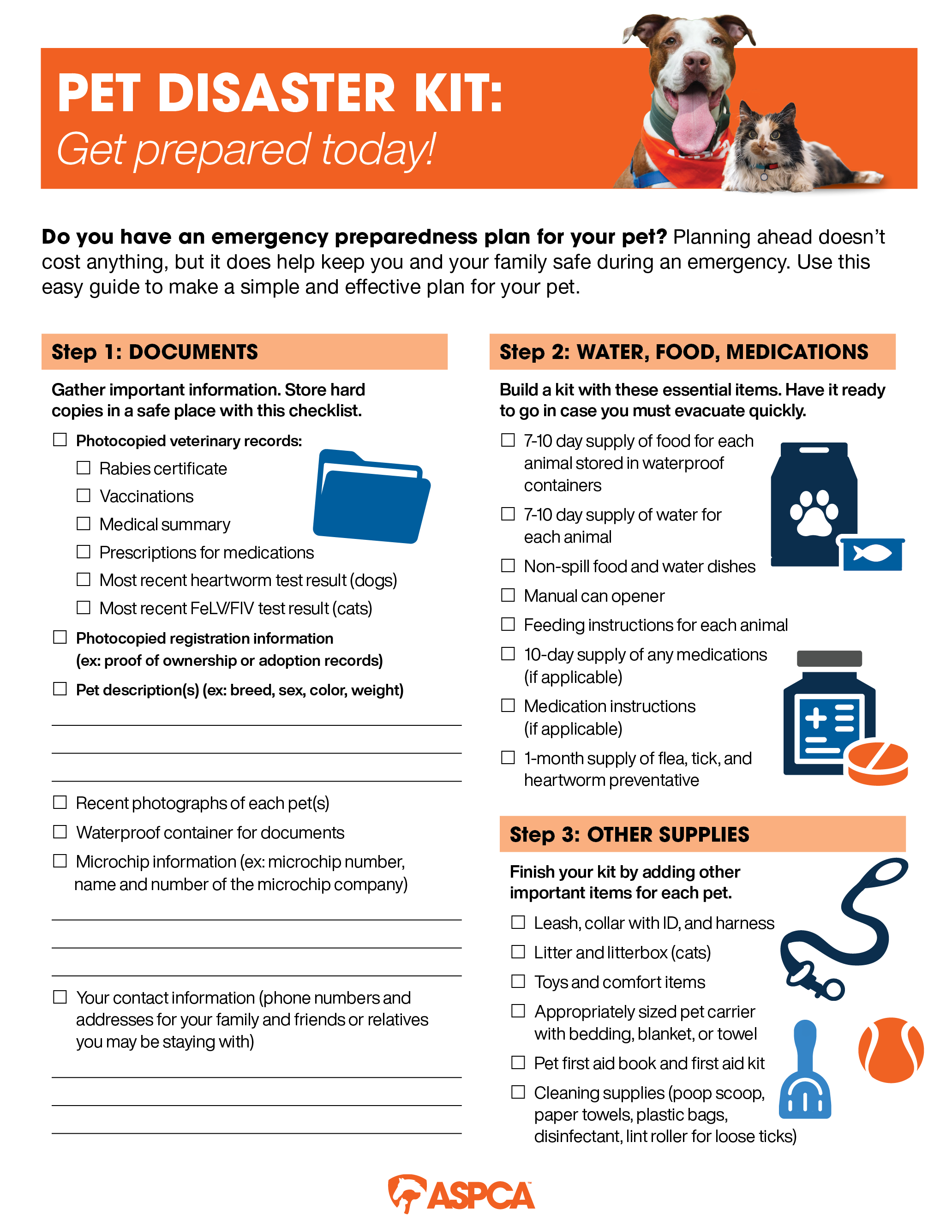
Pets: The ASPCA provides information on how to prepare for disasters when it comes to your pets. Check out their website for detailed information. And consider downloading their Pet Disaster Kit check list.
Escape/Evacuation Routes: Route 20 is the official Federal Disaster escape route for this area. You need to know how to reach it safely. It is a good idea to identify, ahead of time, all the different routes leading away from your house to Route 20 or to a place of safety, in case one or more routes are blocked by flooding, fallen trees or wires, etc.
Flooded Roads: Do not attempt to "make a run for it" by driving across a flooded road. The water may be deeper or the current faster than you anticipate. There have been many fatalities from people getting trapped in vehicles in rising water or swept away downstream.
Insurance Claims: For purposes of future property insurance claims in case of a natural disaster, it is recommended that you create a file now of photographs and other documentation showing the existing condition of and items in your home and other structures on your property. Keep this documentation updated as you make improvements, additions, etc. Include a copy in your evacuation kit and/or save your files to a cloud storage (dropbox, Google Drive, One Drive, etc.). Speak to your insurance provider to see what documentation they might need to efficiently process a claim. Rural Living
Communications/Information resources
The Rensselaer County Cornell Cooperative Extension
Local Newspapers
Libraries: The Village of East Nassau is within a ten-minute drive of two public libraries. Both offer books, inter-library loans, DVD’s, programs for adults and children, help with taxes, etc.
DEC email notices list: You may subscribe at the following website to receive notices from the New York State Department of Environmental Conservation on topics of your choice, on a schedule of your choice: . These topics include hunting, fishing, outdoor recreation, solid waste and recycling and many more.
Energy Options
Regarding Energy Efficiency program and renewable resources available for our county
- NYSERDA Home Energy Efficiency Programs - offers a range of residential programs to help reducing energy loss in houses and reduce energy costs. They can provide assistance as well as completing improvements to have a healthier and more comfy house.
- Switch to LED Lighting
- Tips to reduce waste
- Renewable Heat: Renewable Heat NY (RHNY) provides incentives toward the installed costs of high-efficiency, low-emission wood heating systems for homeowners and businesses not currently using natural gas.(search for NYSERDA RHNY - the links change frequently)
- Heat Pump program: Heat pumps are a efficient heating and cooling technology that eliminate fossil fuels to heat your house and can provide up to 100 percent of heating and cooling needs, and help save on energy bills. NYSERDA Heat Pump Program
- Solar Energy NY-Sun is a NYSERDA (New York State Energy Research & Development) initiative to help families and communities to get access to solar energy. Their website helps you with every step of this new project to integrate solar energy as a main source of electricity. The website lists all participating contractors, financial help and tax credits.
Transportation information
- Local Bus service: The Capital District Transportation Authority (CDTA) provides service from the Village of Nassau to Downtown Albany, and in and around Albany. Weekdays only, wheelchair accessible.
- Long-distance Bus service
- Trains
Amtrak from Albany-Rensselaer and from Hudson NY.
- Roads
Within the Village of East Nassau, there are state roads, county roads, and village roads. The Village is responsible for maintaining the Village roads (plowing, repairing pot holes, etc.). Complaints or inquiries about Village roads (surfaces, ditches, signage, sight lines, etc.) should be addressed to the Village's Department of Public Works, contact information for which can be found on the Village website under "Departments"
The bridges within the Village are not the responsibility of the Village but of the Town of Nassau. Contact info for their offices and departments may be found on their website.
The maximum speed limits on all Village roads, as posted, is 30 mph. Some roads or portions of Village roads have a reduced speed limit of 25 mph and/or, for safety, a suggested speed limit of 15 mph.
ATV's: Reminder: For your own safety and the safety of others on the roads, ATV's (all-terrain vehicles, or off-road vehicles) are not allowed on any public rights-of-way, meaning state, county or village roads. If you are stopped, you may be fined and you will not permitted to drive back to your residence. ATV's may be driven only on private property.
Water/Septic
(information to be added)
Solid Waste Disposal
- Transfer Station - Residents of East Nassau may pay the listed fees to use the Town of Nassau's transfer station located on Central Nassau Road. Trash, recycling, construction and demolition debris, tires, electronics, and other materials may be left there for recycling and disposal. Alternatively, several trash and recycling collection companies serve this area.
- Toxic waste disposal (information to be added)
- Disposal of expired/unwanted medications(information to be added)
Land Stewardship
Managing your property for your own safety, for preserving and enhancing the value of your property, and for protecting the environment
Smaller Wetlands on Private Property: You may have a smaller wetland on your property that does not appear on the DEC wetlands maps. You may also have one or more streams, springs, or seeps. The Village’s Land Use Regulations provide detailed information on how close to the edge of your wetland or stream you may cut brush and trees, change the conformation of the land, build, etc. Please consult the relevant sections of the Regulations before considering activities in proximity to your wetland or stream. If you have questions, you may consult the Code Enforcement Officer.
Pesticides, Herbicides and Insects: Be aware that using herbicides and pesticides on your lawn can be harmful to the environment, especially to insects, 90% of which are beneficial. Roundup is banned in 160 countries, though not yet in the U.S. Neonicotinoids, another harmful group of chemicals, have been lethal in killing off honeybees and other types of pollinators. You might check your pesticides to see if they contain this chemical, or avoid using pesticides at all.
Lawn care:
- Lawn fertilizer and toxic runoff: the DEC encourages homeowners to avoid phosphorus if and when using lawn fertilizer since runoff may pollute groundwater and surface water. Generally, only newly established lawns or those with poor soil need phosphorus.
- The lazy lawn may be the healthiest: The healthiest lawn for the environment is also the lawn that requires the least work, with the following recommendations: plant a pollinator-friendly “bee lawn” with a diversity of plants; mow every two weeks, with the blade set high, and avoid the use of both fertilizers and pesticides. Watering is unnecessary: roots grow deeper and lawns survive dry spells better; you conserve water and your labor.
- A last note on lawns: If you choose to allow a portion of your lawn to be replaced by native woody and herbaceous plants, one useful website that lists plants native to our area can be found at the National Wildlife Federation's Native Plant Finder.
Brush piles: It is recommend that, if you have space on your property, you maintain a brush pile at the back of your property. The carbon will stay out of the atmosphere longer in a brush pile than if the material is chipped. (Brush may not be burned: see section on fires and burning below.)
Improved infrastructure in case of heavy rainfall: Storms and rainfall are becoming more extreme, dropping more water in a shorter time. For our protection and the protection of our property, there are helpful infrastructures that can help prevent flooding and excessive storm water runoff. These include the use of what is called "pervious" or permeable surfaces for driveways and parking areas, in place of asphalt and other impermeable surfaces. “Pervious” surfaces typically resemble whitish concrete or cemented gravel surfaces, are attractive, solid, and as easy to maintain as impermeable surfaces. They allow rainwater to pass through the surface into the ground below rather than running off into drainage ditches or the public road and possibly causing erosion. (See the Village Land Use Regulations for information on the proportion of your property that may be paved.)
Other solutions to absorbing heavy rainfalls include creating tree cover, ponds and swales (ditches or trenches), streamside buffers of vegetation, creating vegetated drainage channels, and planting vegetation that can tolerate inundation. A tree captures a percentage of the rainwater in its leaves and bark and slows the water reaching the ground, where its extensive root system helps the soil to absorb and hold the water.
If you have cleared or disturbed a portion of your land in the course of construction or another project, be sure to immediately plant the bare dirt in groundcover or another suitable cover, in order to stop the soil from washing away in a heavy rainfall. Information on these enhancements to your property can be found at: https://www.gardeningknowhow.com/plant-problems/environmental/plants-for-erosion-control.htm
Organizations supporting land stewardship
Hudson Taconic Lands is a local nonprofit land trust formed by the merger of the Rennselaer Plateau Alliance and the Rensselaer Land Trust. HTL works with the community to promote and facilitate the conservation of the Rensselaer Plateau’s undeveloped and un-fragmented forests and other ecologically important areas and to conserve the open spaces, watersheds, critical land, and natural habitats of Rensselaer County for the benefit of our communities and future generations. HTL supports clean water and air quality, a working forest initiative and local forest products, preserved habitat, education for children and adults, and outdoor recreation. HLT maintains six beautiful forest preserves and eight public preserves which are free and open to the community from dawn till dusk every day of the year for recreation, hiking, and education. Contact HTL for hunting permits on conserved lands, for information on stewarding your land, for community events and nature-based programming, to volunteer, for legacy planning, or to conserve a piece of your land.
The Agricultural Stewardship Association (ASA) is a nonprofit, community-supported land conservancy dedicated to protecting local farmland from encroaching development. Contact ASA to discuss any goals related to conserving your farmland or for support and resources you may need.
Landowner /Land Stewardship Resources (Links/Programs/Financial Resources):
- Cornell Cooperative Extension Rensselaer County: CCE helps landowners with education, advice on best practices for your land and garden, and with financial assistance.
- Rensselaer Land Trust Land Owner Guide for Land Preservation Options
- DEC Trees for Tribs: Get free plants to prevent erosion along streams and creeks and check for other grant opportunities that help landowners protect against the threat of erosion.
- USDA Conservation: The United States Department of Agriculture Farm Service Agency (FSA) oversees a number of voluntary conservation-related programs that help to protect clean water and air and important habitat while providing financial incentives to landowners. Additionally, grants, loans and rebates from a variety of sources and local, state and federal tax incentives are available for on-farm renewable energy production.
- New York Department of Environmental Conservation: DEC's Division of Lands and Forests recognizes that private forest lands are an important component of New York's economy and character and we're here to help keep it that way. DEC provides a variety of programs including free site visits to help support sustainable forest management. See this link for Private Forest Owner Support.
Sources of funding/tax breaks for land stewardship to be added.
Fires/Permitted Burning on your property
The danger of wildfire has recently increased for a number of reasons:
- Year-to-year higher average temperatures have resulted in drier woods.
- Recent prolonged droughts, which may become recurring events, have resulted in drier vegetation.
- Infestations of tree pests moving north have resulted in more standing dead trees in the woods.
- Higher temperatures during the growing season make it easier for fires to start.
There are measures we can take to make sure they don't start. The Village has clear regulations concerning which types of fires are permitted on private property and which are not. For information, please consult the Land Use Regulations. But, to summarize:
- For much of the year, cookout fires are permitted, as are “ceremonial” fires.
- It is never permitted to burn household trash.
- It is never permitted to burn green brush and yard debris from pruning, etc. You may compost yard waste, send it through a chipper to create mulch, or establish a brush pile at the back of your property or bring it to the Town of Nassau Transfer Station to add to their brush pile (permit required).
- In the spring of every year, the State of New York bans all fires of any kind because of dangerously dry conditions. This State-wide Burn Ban supercedes any Village regulations.
- Remember that fireworks can also spark fires that may then get out of control, as can any sort of pyrotechnic display or small explosion. Be thoughtful: don’t burn in dry or windy weather; keep your fire small; watch it at all times; keep ample water/fire extinguisher nearby.
Places of Worship
- Nassau Reformed Church, 43 Church Street, Nassau, NY 12123
- St. Mary’s Church, 26 Church Street, Nassau, NY 12123
- Catholic Community of St. Henry, 39 Old Rte 66, Averill Park, NY 12018
- The Nassau Synagogue and Jewish Community Center, 12 Albany Ave., Nassau, NY. Est. 1913 by Jewish farming community and housed in a pre-Civil War building in the Village of Nassau.
- The Chatham Synagogue, 1536 Co. Rt. 28, Valatie, NY (thechathamsynagogue.org). An unaffiliated, egalitarian congregation.
- West Stephentown Baptist Church, 1672 NY-43, Stephentown, NY 12168
Education
Pre-K, Kindergarten, Primary and Secondary schools
- Public schools:
- Coed boarding and day school: The Darrow School, 110 Darrow Rd., New Lebanon, NY 12125; tel: 518-704-2760 - Established 1932, grades 9-12.
- Coed day school: The Robert C. Parker School, 4254 NY Route 43, Wynantskill, NY 12198; tel: 518-286-3449 - Pre-K through 8th grade.
Post-secondary schools
- Hudson Valley Community College, 80 Vandenburgh Ave., Troy, New York, tel. 518-629-4822 - Associated with the State University of New York.
- Columbia-Greene Community College, 4400 NY-23, Hudson, New York, tel. 518-828-4181 - Part of the SUNY system and locally sponsored by two rural counties.
- The State University of New York at Albany (SUNY Albany)
- The State University of New York at New Paltz (SUNY New Paltz)
- Bard College, Annandale-on-Hudson, New York
- Williams College, Williamstown, MA
- Rensselaer Polytechnic Institute (RPI), Troy, NY
- Russell Sage College, Troy, NY
Continuing/Adult education
Cultural and Recreational Offerings in the area
Sports
Golf:
Winding Brook Country Club - 2839 State Route 203, Valatie, NY 12184
Frear Park Golf Club - 2701 Lavin Court, Troy, NY 12180
Old Post Road Golf Club - 92 Schuurman Rd, Castleton-On-Hudson, NY 12033
Burden Lake Country Club - 162 Totem Lodge Road, Averill Park, NY 12018
Movie Theaters
Crandell - 48 Main Street Chatham, NY 12037
Traditional-style one screen movie theater, built in 1926. Low prices and special memberships, film festivals and first-run movies.
Drive-in Movie Theaters
Hollywood Drive-In - 9270 NY-66, Averill Park, NY 12018
Museums
Hancock Shaker Village - 1843 West Housatonic Street, Pittsfield MA, 01201
Just over the mountain into Massachusetts on Route 20. Events, exhibitions, craft demonstrations, history, farm animals, gardens, gift shop.
Berkshire Museum - 39 South Street (Route 7), Pittsfield, MA 01201
In the center of Pittsfield on Route 7. Art, natural history, aquarium, cultural artefacts, activities and programs for adults and children.
Mass MOCA - 1040 MASS MoCA WAY, North Adams, MA 01247
Clark Art Institute - 225 South Street Williamstown, MA 01267
Herman Melville's home ('Arrowhead') in Pittsfield, MA
The Mount (Edith Wharton's home) - 2 Plunkett Street, Lenox, Massachusetts 01240-0974
Crane Museum of Papermaking and Center for the Paper Arts - 32 Pioneer Street, Alton, MA 01226
Norman Rockwell Museum - 9 Glendale Rd / Rte 183, Stockbridge , MA 01262
Concerts
The Village of Nassau, our neighboring village, has a band called the Nassau Community Band that dates back to the Civil War era. Watch for their performances.
Tannery Pond concert series - 110 Darrow Road, New Lebanon, NY 12125
Troy Savings Bank Music Hall - 30 Second Street, Troy, NY 12180
Tanglewood - 297 West Street,Lenox, MA 01240
The Linda, WAMC’s Performing Arts Studio - 339 Central Ave, Albany, NY 12206
Saratoga Performing Arts Center - 108 Avenue of the Pines, Saratoga Springs, NY 12866
concerts of folk music at New Lebanon Library and outdoors in season
Historical Societies
Stephentown Historical Society
The Society’s Heritage Center, in a former Methodist church located at 4 Staples Rd., on the corner of Garfield Rd., has both temporary and permanent exhibits as well as regularly scheduled talks. Website includes listing of local family graveyards.
Various
Housatonic Heritage covers many different excursions/learning experiences in the Upper Housatonic River Valley region, including history walks, famous homes, nature preserves, botanical gardens, etc. Includes Native American and African-American heritage material. Worth checking out. All the sites are in MA and CT, but many are within a 30-40-minute drive and others may be worth a day trip.
Town of Nassau History